Choosing the right spotting scope can be one of the hardest gear decisions for hunters and long-range shooters.
On one end of the spectrum, you have premium European optics like Swarovski, which can cost $4,000 or more. On the other end are budget spotting scopes around $500, like the Bushnell Tactical series.
So what do you actually get when you spend thousands more on glass?
After 10 years guiding elk and deer hunts across western terrain, I’ve spent thousands of hours behind spotting scopes in real field conditions. In this comparison, we’re going to look at the differences between a Swarovski 65mm spotting scope and a Bushnell T-Series spotting scope.
We’ll cover:
- Optical clarity
- Build quality
- Long-distance performance
- Real-world hunting applications
By the end, you’ll know whether premium glass is worth the investment—or if a budget spotting scope will do the job.
Gear Featured in This Comparison
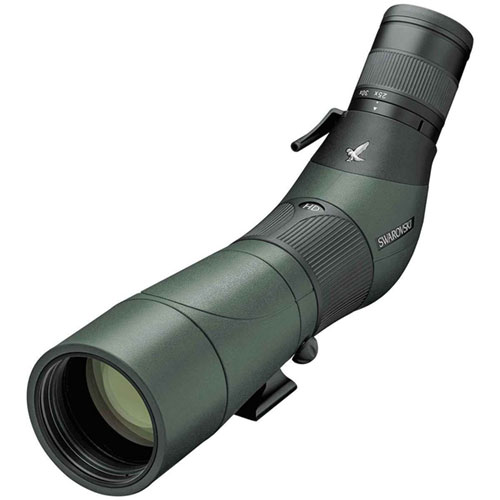
Swarovski 65mm HD Spotting Scope
Premium European spotting scope designed for serious hunters and guides.
Pros
- Exceptional optical clarity
- Outstanding low-light performance
- Extremely durable
- Proven reliability over decades
Best For
Western hunters, guides, and long-range glassing.
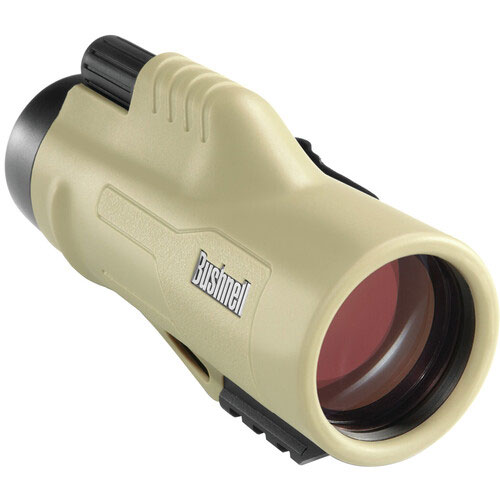
Bushnell T-Series Tactical Spotting Scope
Budget tactical spotting scope designed for long-range shooters.
Pros
- First focal plane MRAD reticle
- Useful for spotting shots
- Affordable entry-level price
Best For
Precision rifle shooters and budget-conscious hunters.
Why Spotting Scopes Matter for Western Hunting
If you hunt in wide open country, your spotting scope becomes one of the most important pieces of gear you carry.
In terrain like:
- Montana prairie
- High desert basins
- Alpine mountain ranges
- Open western valleys
Animals can easily be one to three miles away.
A good spotting scope allows you to:
- Identify animals from extreme distances
- Determine if an animal is worth pursuing
- Evaluate antler size and points
- Confirm species and gender before committing to a stalk
For guides especially, the ability to quickly identify trophy animals from miles away is invaluable.
My 10 Years Using a Swarovski Spotting Scope
For the last decade of guiding elk and deer hunts, my primary optic has been a Swarovski 65mm HD spotting scope.
When I first started guiding, I didn’t own one. I relied on binoculars and a small compact spotting scope that struggled badly in low light conditions.
But many experienced clients brought high-end optics, including:
- Swarovski
- Leica
- Zeiss
After spending time behind all of them, one brand consistently stood out.
Swarovski.
With this spotting scope I’ve been able to:
- Spot deer over three miles away
- Identify whitetail bucks from extreme distance
- Evaluate rack size across large landscapes
- Pick out fine details that cheaper optics simply miss
After years of use, the scope has paid for itself many times over through guiding work.
Swarovski 65 Spotting Scope Features
One of the most impressive things about this optic is that Swarovski still sells this model today, even after more than a decade on the market.
That speaks to how well it was designed.
Smooth Precision Focus
The focus wheel on the Swarovski is incredibly smooth and allows for fine adjustments without disturbing the image.
When glassing animals miles away, tiny focus adjustments matter.
Built-In Peep Sight
One of my favorite features is the small peep sight integrated into the scope body.
This allows you to quickly line up the spotting scope with your target before looking through the eyepiece.
It sounds simple, but it dramatically speeds up target acquisition in the field.
Integrated Sunshade
The pop-out sunshade deploys instantly and helps control glare when glassing toward bright terrain.
This improves contrast and reduces eye strain during long glassing sessions.
Angled Eyepiece Design
The angled eyepiece is extremely useful when hunting mountainous terrain.
Many hunts start from base camps in valleys, looking uphill toward ridges or basins.
The angled design allows comfortable viewing in these situations and also helps when:
- Staying concealed behind terrain
- Glassing from behind cover
- Maintaining a lower profile
Why I Bought the Bushnell Tactical Spotting Scope
The Bushnell was never meant to compete with Swarovski in optical quality.
I bought it for a completely different reason.
The Bushnell T-Series spotting scope includes a first focal plane MRAD reticle, which allows it to function as a tool for long-range shooting.
With the MRAD reticle you can:
- Spot bullet impacts
- Call corrections for shooters
- Measure targets
- Estimate distance
At roughly $500, it’s also one of the most affordable ways to get a spotting scope with a reticle system built in.
Bushnell T-Series Spotting Scope Specs
Key features include:
- 15–45x magnification
- 60mm objective lens
- First focal plane MRAD reticle
- Inline spotting scope design
- Picatinny rail mounting system
Because the Bushnell focuses on tactical functionality, the optical quality becomes secondary to the feature set.
Optical Clarity Test at 100 Yards
To compare optical performance, I used a printed vision chart placed at 100 yards.
Through the Swarovski:
- Lower rows remained readable
- Edges were sharper
- Fine detail was clearly visible
Through the Bushnell:
- Image sharpness dropped off sooner
- Fine details were harder to distinguish
- Overall clarity was noticeably lower
Even at this relatively short distance, the difference in optical quality was clear.
Long Distance Performance Test (Two Miles)
The true purpose of a spotting scope is observing objects at extreme distance.
To simulate real hunting conditions, I observed objects roughly two miles away.
At this range, the Swarovski delivered:
- Sharper image detail
- Better contrast
- Easier identification of distant objects
The Bushnell could still resolve the target, but the image appeared softer and less detailed.
For hunters evaluating animals across large landscapes, that extra clarity can make a major difference.
Swarovski vs Bushnell: Which Should You Choose?
The fact that a $4,000 spotting scope performs better than a $500 one shouldn’t surprise anyone.
The real question is whether the difference matters for your specific needs.
Choose Swarovski If You
- Guide hunts professionally
- Hunt in wide open western terrain
- Spend hours glassing every day
- Want the best possible optical clarity
In these situations, premium glass can dramatically improve your ability to evaluate animals.
Choose Bushnell If You
- Are on a tighter budget
- Primarily shoot long-range rifles
- Need a reticle-equipped spotting scope
- Want functional performance at lower cost
The Bushnell still gets the job done—it just sacrifices some optical performance.
The Bottom Line: You Get What You Pay For
In optics, the old saying still holds true:
You get what you pay for.
Premium optics like Swarovski provide:
- Better glass
- Better coatings
- Better clarity at long distances
- Long-term durability
But budget optics still have their place if they fit your needs and budget.
Frequently Asked Questions
Is Swarovski worth the money for hunting?
For serious western hunters and guides who spend long hours glassing, Swarovski spotting scopes often justify their price through superior clarity and durability.
What spotting scope do hunting guides use?
Many professional guides rely on high-end optics such as Swarovski, Leica, and Zeiss because they provide superior resolution when evaluating animals from long distances.
Can you hunt effectively with a $500 spotting scope?
Yes. Budget spotting scopes like the Bushnell can still identify animals and spot impacts at the range. However, they typically lack the clarity and low-light performance of premium optics.
What magnification is best for spotting scopes?
Most hunting spotting scopes range from 15x to 60x magnification, which provides flexibility for both wide scanning and detailed observation.
What Spotting Scope Would You Choose?
Would you go with:
- A $500 spotting scope
- A $4,000 Swarovski
- Something in the $1,000–$2,000 middle range
Let me know in the comments on Youtube. Some of the best discussion and learning happens there, and I try to join the conversation whenever I can.
If you enjoy content like this, consider:
- Subscribing to the YouTube channel, https://www.youtube.com/@OnTheScout
- Supporting the channel on Patreon,
- Sharing this article with other hunters